
Game Capture & Counts by helicopter

South Africa is one of the world’s leading destinations for professional wildlife conservation and game reserve management. At the heart of modern conservation efforts are highly specialised helicopter operations used for game capture, game counts, wildlife census work, aerial wildlife vaccinations, and veterinary support.
Helicopters have become an essential tool in large-scale wildlife management, offering speed, precision, and minimal stress to animals compared to traditional ground-based methods. This blog explores how helicopter operations support wildlife capture services and veterinary interventions across Southern Africa.
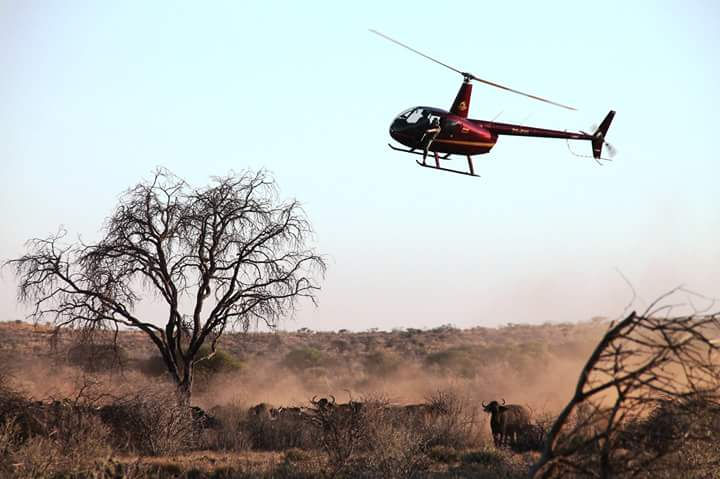
The Role of Helicopters in Game Capture in South Africa
Game capture refers to the safe and controlled immobilisation, herding, and relocation of wild animals. It is a highly specialised operation that requires experienced pilots, wildlife veterinarians, and ground capture teams working together.
Helicopters are used to:
Herd animals into bomas or capture zones
Isolate specific animals from herds
Assist darting procedures from the air
Reduce stress and chase time
Improve safety for both animals and capture teams
Using helicopters for wildlife capture services significantly reduces the time animals are exposed to stress and increases the success rate of capture operations.
Common species involved in helicopter-assisted game capture include:
Buffalo
Antelope species (sable, roan, kudu, eland)
Zebra
Giraffe
Rhinoceros (in specialised operations)
Game Counts and Wildlife Census by Helicopter
Accurate population data is essential for sustainable wildlife management. This is where game counts and wildlife census operations become critical.
Helicopters allow conservation teams to conduct fast and accurate aerial surveys over large areas that would be difficult or impossible to cover on foot or by vehicle.
Benefits of aerial game counts include:
Rapid coverage of large reserves
Accurate population estimates
Reduced disturbance to wildlife
Improved data collection for conservation planning
Real-time herd identification and mapping
During a wildlife census, experienced pilots fly pre-planned grid patterns while observers count and record species, herd sizes, and distribution patterns. This data is used for:
Wildlife management planning
Trophy quota setting
Conservation research
Anti-poaching monitoring
Habitat and carrying capacity studies
Wildlife Capture Services Using Helicopters
Wildlife capture services involve a combination of aviation, veterinary science, and ground logistics. Helicopters play a central role in safely guiding animals during relocation or management procedures.
These services are commonly used for:
Translocation of animals between reserves
Introducing new genetic stock into populations
Removing animals from overpopulated areas
Rescuing animals from drought or fire-affected regions
Managing disease outbreaks
Helicopters provide unmatched precision, allowing teams to manage animal movement in real time across large and often rugged landscapes.
Wildlife Veterinarians and Aerial Veterinary Support
Wildlife veterinarians play a critical role in helicopter-based conservation work. These professionals are responsible for the health, sedation, treatment, and recovery of wild animals during capture and management operations.
Helicopters assist veterinarians by:
Positioning animals for safe darting
Monitoring animal movement after sedation
Transporting veterinary teams into remote areas
Supporting rapid response medical interventions
Veterinarians often work closely with pilots and capture teams to ensure every operation is conducted safely and ethically.
Aerial Wildlife Vaccinations in South Africa
One of the most important modern conservation tools is aerial wildlife vaccinations, where helicopters are used to support disease prevention in wild populations.
This method is particularly useful in:
Foot-and-mouth disease control
Rabies vaccination programs
Anthrax prevention in wildlife zones
Brucellosis and other zoonotic disease management
Helicopters allow veterinarians to quickly locate herds, isolate individuals if needed, and coordinate safe darting and vaccination procedures.
The advantages of aerial vaccination include:
Rapid coverage of large and remote areas
Reduced stress on animals
Improved safety for veterinary teams
Higher vaccination success rates
Wildlife Management by Helicopter
Modern wildlife management by helicopter has become a cornerstone of conservation in South Africa. Beyond capture and veterinary work, helicopters are used for a wide range of ecological and operational tasks.
These include:
1. Population control and relocation
Managing overpopulated species by safely moving animals to other reserves.
2. Anti-poaching support
Aerial surveillance helps detect illegal activity and coordinate rapid response teams.
3. Habitat monitoring
Assessing vegetation health, water availability, and environmental changes.
4. Fire and drought response
Identifying wildlife at risk during environmental crises and coordinating rescue efforts.
5. Reserve management planning
Supporting rangers and ecologists with real-time aerial intelligence.

Why Helicopters Are Essential in Modern Conservation
Helicopters provide a unique combination of speed, precision, and accessibility that ground operations cannot match. In vast and remote areas of Southern Africa, they are often the only practical solution for large-scale wildlife management.
Key advantages include:
Reduced animal stress
Faster operational timelines
Improved safety for staff and wildlife
Access to remote or rugged terrain
High-accuracy data collection
The Future of Game Capture and Wildlife Management in South Africa
As conservation technology advances, helicopter operations will continue to play a central role in game capture, wildlife census work, aerial vaccinations, and veterinary support.
The integration of GPS tracking and advanced veterinary techniques will further improve the efficiency and sustainability of wildlife management across Africa.
Conclusion
Helicopters are an indispensable tool in South Africa’s conservation industry. From game capture and game counts to wildlife veterinarians performing aerial interventions, helicopter-supported operations ensure that wildlife populations are managed safely, efficiently, and sustainably.
Whether supporting large-scale translocations or assisting with disease control through aerial wildlife vaccinations, helicopters remain at the forefront of modern wildlife capture services and conservation science in Africa.
Contact Kriek Helicopters today to book your wildlife capture or census operation.
Frequently Asked Questions (FAQ)
What is helicopter game capture in South Africa?
Helicopter game capture is a wildlife management method where a helicopter is used to locate, herd, and assist in the safe capture of wild animals. It is commonly used in South Africa for translocation, veterinary treatment, and population management on game reserves and private farms.
Why are helicopters used for game capture and wildlife management?
Helicopters provide speed, precision, and access to remote or dense terrain. They help reduce stress on animals by guiding them efficiently toward bomas, nets, or capture zones while supporting veterinarians and ground teams during operations.
What is a wildlife census or game count?
A wildlife census, also known as a game count, is the process of estimating animal populations within a specific area. Helicopters are often used to conduct aerial game counts, allowing for accurate data collection over large conservation areas in a short time.
How accurate are helicopter game counts?
Helicopter game counts are considered highly accurate when conducted by experienced pilots and wildlife professionals. They allow for broad visibility and reduce the chance of missing animals in dense bush or large open reserves.
What is the role of a wildlife veterinarian in game capture?
Wildlife veterinarians play a critical role in helicopter-assisted game capture by darting animals, monitoring their health, and ensuring safe handling during relocation or medical procedures such as vaccinations or treatments.
What is game capture used for?
Game capture is used for a variety of wildlife management purposes including:
Relocation of animals to new reserves
Population control and breeding management
Veterinary care and disease control
Conservation and genetic diversity management
Is helicopter wildlife management safe for animals?
Yes, when conducted by trained professionals, helicopter wildlife management is designed to minimize stress and injury. Strict protocols are followed by pilots, veterinarians, and ground teams to ensure humane and controlled handling.
What is the difference between game capture and game counting?
Game capture involves physically moving or restraining animals for relocation or treatment, while game counting focuses on estimating population numbers for conservation planning and ecological monitoring.
Which animals are commonly involved in game capture in South Africa?
Common species include antelope, buffalo, giraffe, zebra, and other plains game species. Each operation is carefully planned depending on terrain, species behavior, and conservation objectives.
Why is wildlife management important in South Africa?
Wildlife management helps maintain ecological balance, supports biodiversity, prevents overpopulation, and contributes to sustainable eco-tourism and conservation farming industries across South Africa.


Comments